James Hitchcock explains how the reintroduction of this keystone species can restore wetlands, reduce flooding, and benefit both people and planet.
For thousands of years, the beaver helped shape rivers, wetlands and woodlands across Wales. Its disappearance left more than the loss of a single species, it removed one of nature’s great ecosystem engineers — altering the way our landscapes function. Today, as we seek to restore biodiversity to Wales, returning the beaver offers a unique opportunity to put natural processes back to work, while increasing our resilience to climate change events – like flooding.
What is important is that we recognise that, in the long term, our ecosystems will only be truly complete, resilient and rich, when our keystone species are back in place.
The beaver is a keystone species, one whose influence on an ecosystem is far greater than its numbers might suggest. While predators such as the Eurasian lynx can trigger trophic cascades by influencing the behaviour and numbers of their prey, beavers reshape ecosystems directly. By building dams, digging channels and felling trees, they create habitats that support a remarkable diversity of wildlife and strengthen the resilience of entire catchments.
The Serengeti Rules (a book by Sean B Carroll and a film by Nicolas Brown) reveals the findings of five ecologists who, independently of each other, found that the removal of certain species from an ecosystem breaks that ecosystem apart, causing it to function in a fundamentally different way, or to collapse altogether.
Robert Paine studied rock pool ecosystems in Makah Bay on the western seaboard of the United States in the 1960s. He discovered that removing starfish from the pools changed them entirely. Without starfish, the diversity of pool life diminished until there was only a monoculture of mussels remaining. He described this domino effect as a trophic cascade. In his experiments, removing other rockpool species had no such impact. Paine labelled the starfish a keystone species, coining the term.
The discovery of trophic cascades shows that living systems can’t function properly where certain species are missing. They become permanently ‘downgraded’. That’s why the reintroduction of keystone species is a key element of rewilding, to upgrade our ecosystems and boost abundance and diversity. In Wales, we can only imagine what might happen if our key missing species returned and had the freedom to begin shaping ecosystems again.
We can take action to try and fill the holes left by our missing species. We can let native domestic breeds of cattle, pigs and ponies roam naturally over large spaces as proxies to the aurochs, boar and wild horse. We can think like a beaver and build dams. We can coppice trees and pretend we’re an elk, and cull deer like we’re the lynx or the wolf. But why not let nature do the heavy lifting?
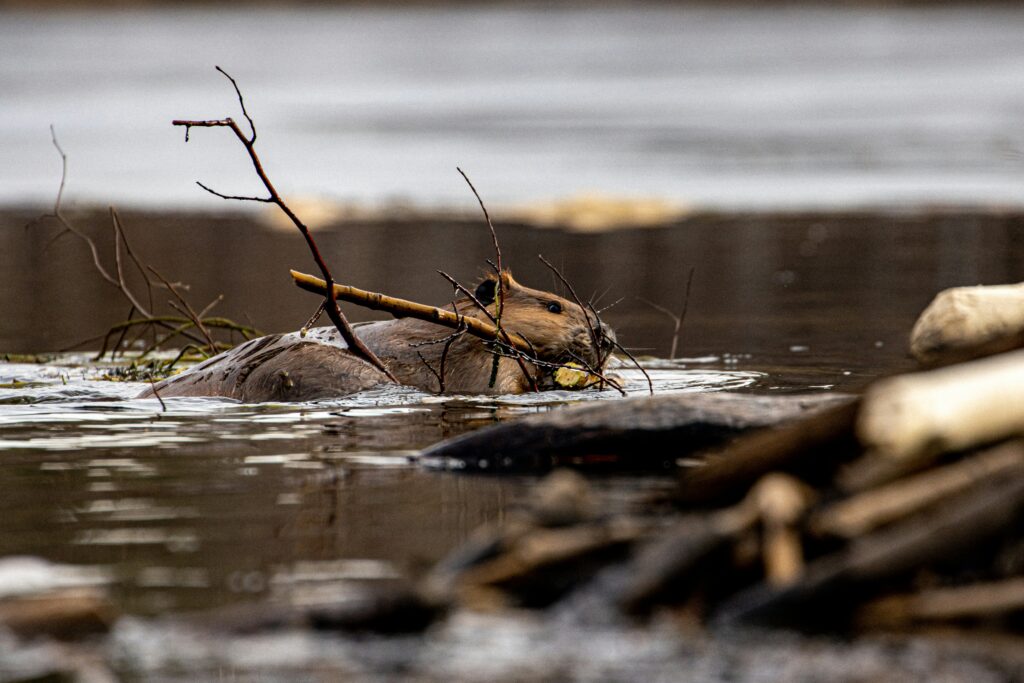
Beavers are our natural water engineers, restoring wetlands, slowing floodwaters and helping landscapes become more resilient.
Mimicking natural processes can help us integrate and live well with nature, meeting the needs of modern Wales, and creating well-paid jobs in the process. We must work hard to help nature heal and repair what it can. Returning a lost species will not remove this need, as we ourselves are a keystone species, with an ongoing role to play in our landscapes – be that nature-friendly farming or providing land for nature under rewilding. What is important is that we recognise that, in the long term, our ecosystems will only be truly complete, resilient and rich, when our keystone species are back in place.
This article focuses on the Eurasian beaver. This is a live discussion and an important development in policy and process within Wales right now and the first significant step Wales can make to return one of our lost species.
Syniadau uchelgeisiol, awdurdodol a mentrus.
Ymunwch â ni i gyfrannu at wneud Cymru gwell.
As an ecosystem architect, the Eurasian beaver shapes landscapes through positive natural cascades:
- Flood mitigation & water quality: Beaver dams hold back excess water in valleys to reduce downstream flooding while beaver pools filter and clean the water.
- Biodiversity restoration: Beaver-created wetlands and standing deadwood provide vital habitats for fish, amphibians, dragonflies, waterfowl, bats, and birds of prey.
- Landscape diversity: Coppicing and tree felling spur new regrowth and open up meadows for large grazing species.
The context: A growing gap across Europe and Britain
Over 1.2 million Eurasian beavers now inhabit at least 26 European countries, making their return one of the world’s most successful conservation stories. However, Wales is currently lagging behind.
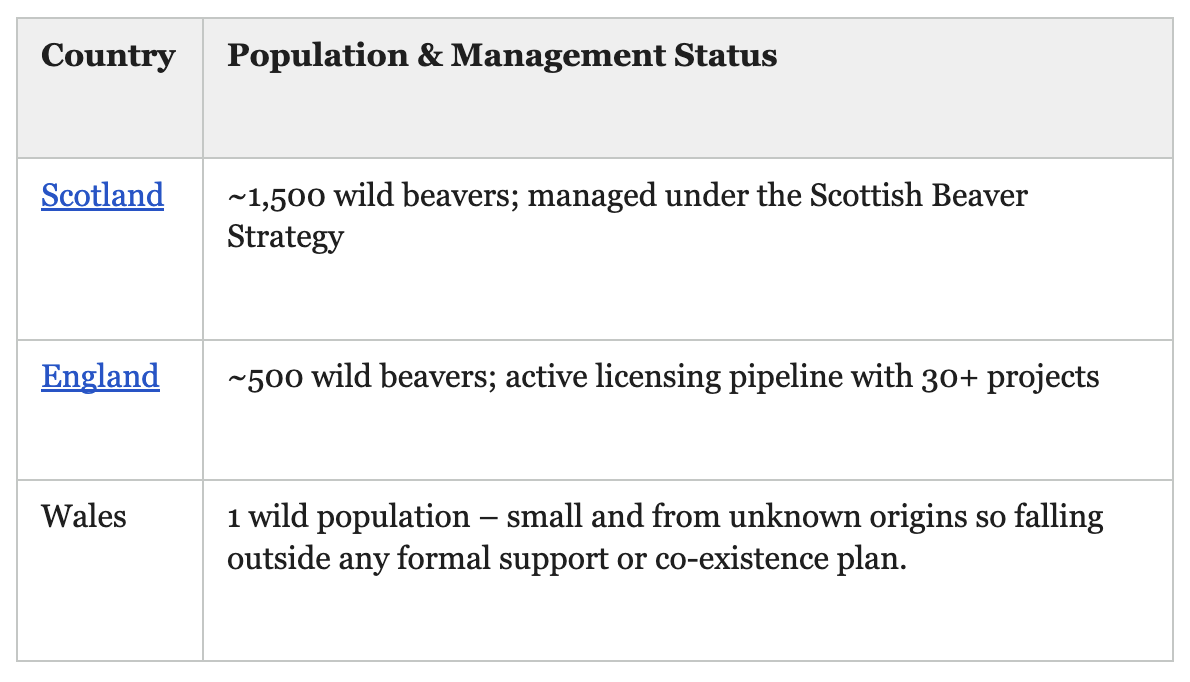
Wild Beaver Population Snapshot – Britain
What this means:
- Scotland holds an estimated 1,500 wild beavers, experiencing a 30% annual population growth guided by Scotland’s Beaver Strategy 2022–2045.
- England is home to roughly 500 wild beavers. Following the launch of a wild release application process in 2025, multiple licenses have been granted, 11 are ‘in chain,’ and 30 promising projects are receiving government support.
- Wales currently stands as the only nation in Western Europe that has not returned the Eurasian beaver to its former range.
This lag presents an urgent mandate—and a unique opportunity—for Wales to adopt best practices from 26 European countries, combine them with its ambitious legislative framework, and deliver a narrative of environmental hope and landscape regeneration.
Gofod i drafod, dadlau, ac ymchwilio.
Cefnogwch brif felin drafod annibynnol Cymru.
Legal protection in Wales: A historic milestone for nature recovery
On 4 March 2026, the Welsh Government officially recognised the Eurasian beaver (Castor fiber) as a native species in Wales, under the Beaver (Wales) Order. Beavers are now listed under Schedule 2 of the Conservation of Habitats and Species Regulations 2017. This move aligns legislation in Wales with existing protections in Scotland (2019) and England (2022).
Under this status, strict legal safeguards apply to wild beavers and their habitats:
- Species safeguards: It is an offence to deliberately capture, injure, kill, or disturb wild beavers.
- Habitat protections: It is illegal to damage or destroy beaver breeding sites or resting places, including burrows, lodges, and associated dams.
- Trade restrictions: Possessing, transporting, selling, or offering beavers or beaver parts taken from the wild is prohibited.
Significance for Co-Existence and next steps
The Welsh Beaver Forum
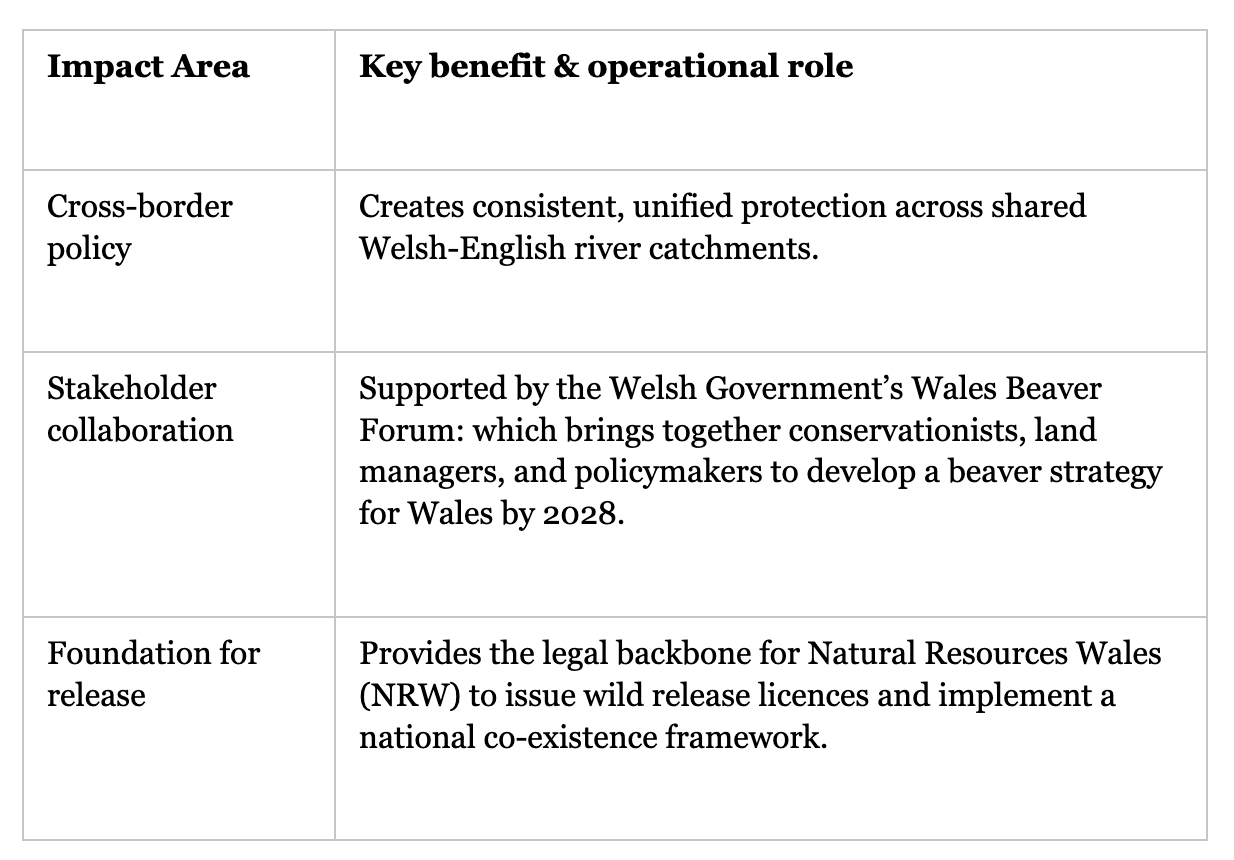
The Welsh Government’s decision to establish the Wales Beaver Forum is an important and welcome step. The Forum has until spring 2028 to develop a Beaver Strategy for Wales, but we hope this work can be completed sooner. We already have decades of experience from across Europe, as well as growing expertise from Scotland and England, to help guide a successful return.
Perhaps most importantly, bringing back beavers would restore something less tangible but equally valuable: the knowledge that wild animals are once again shaping our landscapes in ways that benefit both people and nature.
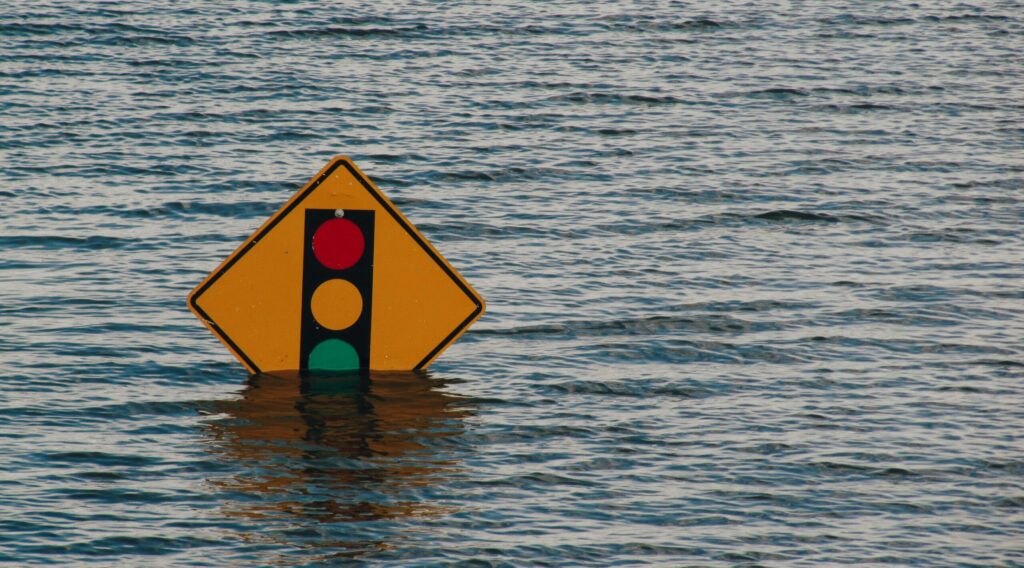
The urgency is clear. As Wales faces a changing climate, with more frequent droughts, floods and wildfires, there is an increasing need for nature-based solutions. Beavers are our natural water engineers, restoring wetlands, slowing floodwaters and helping landscapes become more resilient. They work for free.
What ‘good’ looks like: A roadmap for success
The return of the Eurasian beaver to Wales represents an opportunity to restore natural processes while demonstrating how people and wildlife can thrive together. Achieving that vision will require careful planning, practical support and long-term commitment.
Five priorities stand out.
- Support farmers through the Sustainable Farming Scheme
The Sustainable Farming Scheme should recognise and reward the environmental benefits created by beavers, including wetlands, scrub development, natural flood management and improved water quality. Land managers should be supported—not penalised—where beaver activity occurs, with practical advice and funding available where co-existence management is needed.
- Plan for success
Identify suitable river catchments for future wild releases while mapping locations where beaver activity could conflict with critical infrastructure, such as transport corridors, hard flood defences and drainage assets. Planning ahead will minimise conflicts, target resources effectively and build confidence among local communities.
- Establish a ‘Wales beaver service’
Create a well-funded national service to provide advice, practical support and rapid response where issues arise. A single point of contact for farmers, land managers and communities should coordinate mitigation, deploy accredited practitioners and, where necessary, oversee the licensed relocation of beavers from locations where co-existence cannot be accommodated.
- Build a clear national framework
Develop a transparent and streamlined licensing system for releases, monitoring and adaptive management, alongside a network of trained and accredited beaver practitioners able to support co-existence across Wales. This should be underpinned by a long-term Beaver Strategy setting out how populations will expand into suitable catchments while safeguarding communities, productive land and essential infrastructure. Clear targets on the return should be set, starting with 50% of Welsh catchments to contain beaver populations by 2032.
- Invest in public understanding
Support a sustained programme of public engagement, schools education and community outreach to build understanding of the beaver’s ecological role, address concerns and celebrate the many benefits that healthy rivers and wetlands bring to people and nature alike.
Conclusion
The Welsh Government’s decision to establish the Wales Beaver Forum is a good start, following the long awaited recognition of the beaver’s status as a native species. But a strategy is only the beginning. Reaching this point has taken more than a decade of dedicated work by the Welsh Beaver Project, eNGOs, supportive landowners and many others committed to seeing beavers return to Wales. The next step is to put that vision into practice.
Even once releases begin, it will take years for beavers to spread naturally through Wales’s river catchments. The sooner that journey starts, the sooner Wales will benefit from cleaner water, healthier wetlands, richer biodiversity and landscapes that are more resilient to drought, flooding and wildfire.
Perhaps most importantly, bringing back beavers would restore something less tangible but equally valuable: the knowledge that wild animals are once again shaping our landscapes in ways that benefit both people and nature. The crack of a tail slap at dusk, the glimpse of a beaver gliding silently across still water, or simply the quiet confidence that our rivers are becoming wilder, richer and more resilient—these are among the greatest rewards that co-existence can bring.
All articles published on the welsh agenda are subject to IWA’s disclaimer. If you want to support our work tackling Wales’ key challenges, consider becoming a member.