
Rhydian Thomas argues that working closely with partner organisations is essential for ensuring all voters can effectively take part in the Senedd election on 7 May.
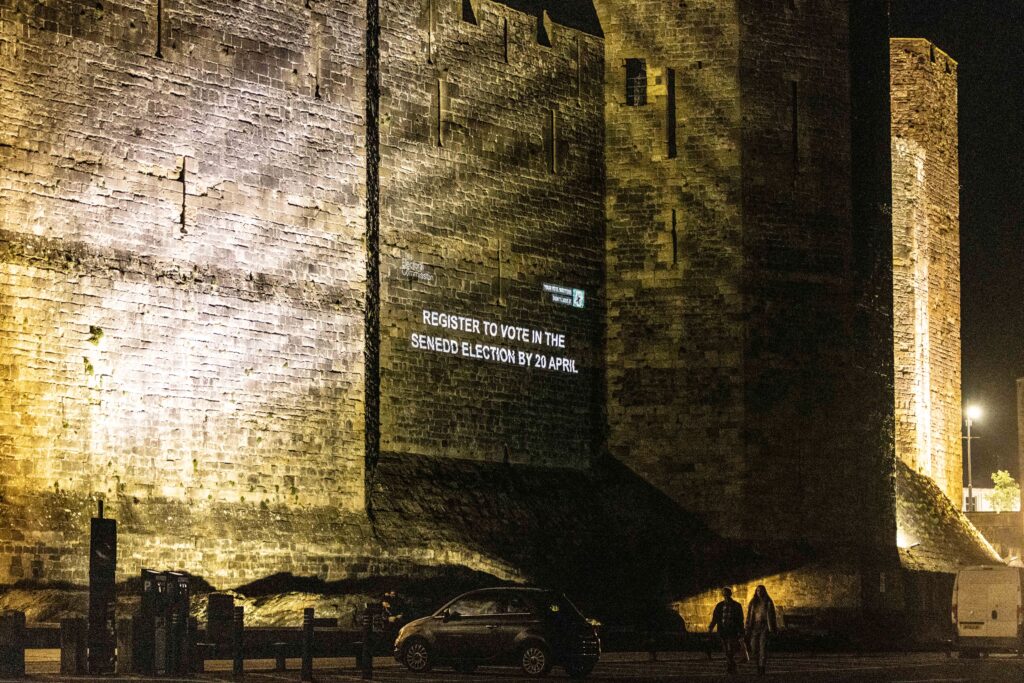
There are now just a few days left to register to vote in time for the Senedd election and ensure your voice is heard on issues that will have a direct impact on everyday life in Wales. Those who are eligible must register by midnight on Monday 20 April to have their say on who represents them in the Senedd. However, Electoral Commission research has found that approximately 400,000 people in Wales remain un-registered. Those who are less likely to be registered include young people, foreign nationals, recent home movers, private renters, and those without a fixed address. The Electoral Commission has worked closely with charities and civil society organisations across Wales who work directly with these groups, to better understand the barriers they face to registering and wider democratic engagement.
Barriers to participation
It is perhaps easy to assume that low levels of voter registration within certain groups means a lack of interest in democratic issues. However, our work has shown that this is rarely the case. A lack of engagement is more often due to practical barriers or a lack of knowledge and understanding about how the democratic process works.
Electoral Commission research has found that approximately 400,000 people in Wales remain un-registered.
Practical barriers may include a lack of election information in accessible formats such as BSL, easy read or Braille, and lack of additional support when casting a vote. Where this support and information is available, individuals may not know that they can request it. There are also different registration processes for those without a fixed address or who wish to register anonymously for personal safety reasons, but awareness of these systems remains low.
Different laws for devolved and reserved elections can also be confusing. Some 16-17 year olds and foreign nationals are unaware that they are eligible to vote in the Senedd election. This may be because they aren’t currently eligible to vote in reserved elections or think that they don’t have the correct documentation. For example, many believe that they need a national insurance number to register (which is helpful, but not essential) or that they need photo ID to vote, which is not required for the Senedd election.
Finally, general levels of knowledge and understanding about the Senedd contribute to a lack of engagement. The Commission’s annual tracker research found that just 25% of people in Wales say they know a lot about Senedd elections. A third of people in Wales say that they don’t know anything beyond that these elections exist, and 57% of those that say they don’t know anything are aged between 16-24.
Innovative. Informed. Independent.
Your support can help us make Wales better.
Democratic engagement projects
Our experience has found that collaborating with organisations that work directly with under-registered groups is the best way to encourage all voters to participate meaningfully in democracy. Ahead of the Senedd election, the Electoral Commission in Wales has supported democratic engagement projects with organisations including Children in Wales, The Politics Project, Welsh Women’s Aid, Race Equality First and Shelter Cymru.
From working with these organisations, we have discovered that front line staff are usually keen to encourage their clients to get involved in the democratic process but often lack the confidence to support them. This is particularly challenging when it comes to explaining specific rules around voting and navigating discussions whilst remaining politically neutral. Similar concerns have been raised by teaching staff tasked with delivering democratic education in schools. Projects led by Welsh Women’s Aid, The Politics Project and Shelter Cymru have focused on developing training and support for facilitators, so they have the tools to feel confident in engaging those they support.
“It’s this kind of meaningful, community-focussed engagement that helps to create a more equal and representative democracy in Wales.”
We have recently supported Shelter Cymru to develop free online training sessions, e-learning, and resources for those working with housing association tenants and individuals experiencing homelessness. This project is already making an incredible impact on staff who have attended sessions. One attendee noted that “The session was delivered in a really clear and engaging way and was easy to follow. I feel confident I can use what I’ve learned in my day-to-day work.” Emphasising the impact of this project Training Manager for Shelter Cymru, Mark Hodges, explains that “By helping trusted frontline staff across Wales to share clear information about voter registration, we can help ensure people’s experiences shape the systems that affect their housing.”
A different approach was taken by Race Equality First to engage with minority ethnic voters. The My Voice, My Wales project has involved facilitating workshops in community settings, where minority ethnic voters could access “important information in plain English and in a range of community languages, so people can understand their rights and make informed choices.”
Following these sessions, attendees have consistently noted their positive impact in terms of clarity and their confidence to vote. The project has demonstrated that we cannot simply use the same methods to engage every under-registered group. It is essential to collaborate with trusted organisations to understand how to present and deliver information in a clear and accessible way. As Christina Tanti, Head of Research at Race Equality First explains, “It’s this kind of meaningful, community-focussed engagement that helps to create a more equal and representative democracy in Wales.”
Without helping to remove barriers to participation, we are left with an electoral system where large groups of people are left voiceless.
The Commission’s Youth Voice Network is currently facilitated by Children in Wales. The network is made up of young people aged 11–24 who shape our education and engagement work. A member of the network recently ran an event in her college during Welcome to Your Vote Week where young people had the chance to hear directly from political parties and over 300 students registered to vote. The group has also published a simple explainer podcast on the election. The success of these projects clearly demonstrates the impact of peer-led youth engagement.
In addition to these larger projects, partner briefings have taken place in the run up to the election with over 30 different organisations to share key information about how to take part. We have also supported disability rights organisations to create accessible materials including Learning Disability Wales, BDA Cymru and RNIB Cymru. Finally, we have entered into a new partnership with the Football Association of Wales, sharing our voter registration campaign messaging with their network of fans and chatting to supporters at both Men’s and Women’s Welsh Cup Final games.
Discussions and debates that drive Wales forward.
Join Wales’ leading independent think tank.
Call to action
The Electoral Commission is committed to ensuring all voters have the knowledge, confidence and understanding to take part in the democratic process. Without helping to remove barriers to participation, we are left with an electoral system where large groups of people are left voiceless. While there is still a lot more to be done to support everyone to participate effectively, we welcome the excellent work that is being done by many organisations across Wales ahead of the Senedd election on 7 May.
More information about the election can be found in our Guide to the Senedd Election.
Register to vote online at www.gov.uk/registertovote before midnight on Monday 20 April. The deadline to apply for a postal vote is 5pm on Tuesday 21 April and the deadline to apply for a proxy vote is 5pm on Tuesday 28 April.
All articles published on the welsh agenda are subject to IWA’s disclaimer. If you want to support our work tackling Wales’ key challenges, consider becoming a member.