Sarah Jennings, Executive Director of Natural Resources Wales, argues that Wales needs to ‘Be Flood Ready’ through system change and climate resilience
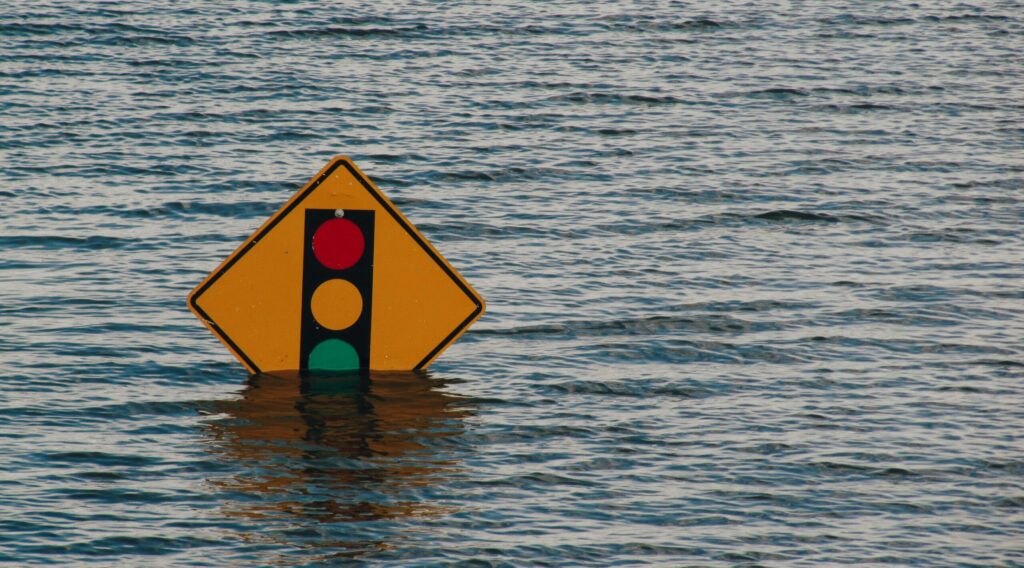
Last winter, communities across Wales faced flooding that damaged homes, disrupted businesses and placed enormous pressure on public services. Just a few months later, many of those same communities found themselves facing a very different challenge.
A prolonged spell of hot, dry weather over the summer months left Wales in drought. Across the country, wildfires placed huge demands on emergency services, land managers and local communities. Rivers ran low. Farmers feared for their crops. Landscapes that only months earlier had been saturated became increasingly vulnerable to fire.
Taken individually, these events can appear disconnected.
Taken together, they tell a much bigger story.
They are a reminder that climate change is no longer something we experience only through future projections and distant targets. It is already shaping the places where we live, work and invest.
Innovative. Informed. Independent.
Your support can help us make Wales better.
For many years, the public conversation about climate change has rightly focused on reducing emissions. Decarbonisation remains essential.But we must also recognise another reality.Some degree of climate change is already locked in.
The question facing Wales is no longer simply how we reduce our contribution to climate change. It is also how we adapt to the changes that are already happening around us, and prepare for and become more resilient to the risks that lie ahead.
That is one of the clearest messages emerging from the evidence in the State of Natural Resources Report (SoNaRR 2025). Produced by Natural Resources Wales, the report highlights not only the growing pressures on Wales’s environment, but the increasingly interconnected risks facing our communities, economy, infrastructure and public services.
But resilience is not just about responding well when extreme events happen. It is also about making better decisions before they occur.
Too often we think about climate impacts as separate issues.Flooding sits in one box. Drought sits in another. Wildfires in a third.But the reality is that these impacts are connected. Drought can increase the risk of wildfires. Floods and droughts are both shaped by how water moves through and is stored in our catchments. What happens in our rivers, uplands, forests and peatlands influences how resilient we are to all of these challenges. That is why we need to manage natural resources as a whole system, not as a series of separate problems.
As Wales experiences more frequent and intense weather extremes, resilience is becoming one of the defining challenges of our time. But resilience is not just about responding well when extreme events happen. It is also about making better decisions before they occur.
It means understanding the risks we face, reducing our vulnerability where we can and ensuring that communities, services and infrastructure are prepared for the climate conditions we are likely to experience in the decades ahead, not simply the climate we have known in the past.
The decisions we make now about housing, transport, energy, water management and land use will influence how exposed future generations are to climate risks and how well Wales can cope with the challenges ahead.
Some of those decisions will require difficult conversations.
The greatest climate risks facing Wales are not only the hazards themselves, but the decisions we make, or fail to make, in response to them.
As flood risk increases, we will need to think carefully about where and how we build new homes and critical infrastructure. As temperatures rise, we will need places that can cope with extreme heat. As rainfall patterns change, we will need landscapes and water systems that can hold more water in some places and conserve it in others.
Adaptation is not simply about building higher defences or recovering faster from extreme weather. It is about rethinking how we plan, invest and develop Wales for a different climate future. The greatest climate risks facing Wales are not only the hazards themselves, but the decisions we make, or fail to make, in response to them.
Flooding remains one of the most significant climate risks facing Wales. At NRW, we manage the free flood warning service, invest in and maintain flood defences, and work with partners across Wales to help communities better understand and manage risk.
While flood defences and warning systems will continue to play a vital role in reducing that risk, they can only ever be part of the solution. Climate change means flood risk is changing, and in many places increasing. Some communities will experience flooding for the first time. Others may face it more often than they have in the past.The reality is that flood risk cannot be eliminated entirely.That is why preparedness matters.
That matters because climate change, nature loss and pressures on public services are not separate challenges. They are interconnected.
Around 1 in 7 properties in Wales is at risk of flooding, yet many people only discover that risk when water is already on its way. During our Be Flood Ready campaign, we are encouraging people to understand their flood risk, sign up for free flood warnings in Welsh or English and take practical steps before severe weather arrives. These actions may seem simple, but they can make a significant difference when flooding occurs.
The same principle applies beyond flooding. Whether the challenge is drought, wildfire or extreme rainfall, becoming more resilient starts with understanding risk and preparing for it.
Importantly, adaptation is not the responsibility of any single organisation.At NRW, we have a specific role to play. We provide evidence, advice and expertise. We work with communities and partners, help manage environmental risks and contribute to emergency response when incidents occur.But resilience is built through the combined efforts of many organisations and many sectors.
The decisions that shape resilience are made every day: in planning authorities deciding where homes are built, by businesses investing in infrastructure, by land managers shaping our landscapes, and by public bodies preparing services for future disruption. That matters because climate change, nature loss and pressures on public services are not separate challenges. They are interconnected.
SoNaRR highlights the importance of working with natural systems rather than against them. Healthy rivers, peatlands, woodlands and wetlands help regulate water, store carbon, support biodiversity and improve resilience to both flooding and drought. These are not simply environmental assets. They are part of Wales’s resilience infrastructure.
Too often we tackle challenges in isolation. But healthier ecosystems can help address multiple risks at the same time, delivering benefits for communities, businesses, public services and the natural environment.
The climate that shaped many of our towns, infrastructure networks and planning assumptions is changing. The question is whether our decision-making is changing with it.
The choices we make today will determine how well Wales is prepared for tomorrow.
Are we building homes in the right places for the climate Wales is likely to experience in the decades ahead? Are we investing in infrastructure that can withstand future extremes of flooding, drought and heat? Are we restoring natural systems at the scale needed to support both nature recovery and climate resilience?
These are not questions for environmental organisations alone. They are questions for government, planners, businesses, infrastructure operators, land managers and communities across Wales.
The experiences of the past year should remind us that climate change is not just a challenge for future generations. Communities across Wales are already living with its effects.
The evidence helps us understand what those changes could mean in the years ahead. But perhaps more importantly, it helps us understand the choices we face today.
Discussions and debates that drive Wales forward.
Join Wales’ leading independent think tank.
We cannot prevent every flood, drought, storm or wildfire. But we can influence how severe their impacts become. We can continue planning and investing based on assumptions that no longer reflect the climate reality we face. Or we can use the evidence available to us now to make better decisions about where we build, how we manage land and how we prepare our communities for the future.
That is ultimately what adaptation means.
The challenge facing Wales is not whether we can adapt to a changing climate, but whether we are prepared to make the decisions that adaptation requires. Because the choices we make today will determine how well Wales is prepared for tomorrow.
All articles published on the welsh agenda are subject to IWA’s disclaimer. If you want to support our work tackling Wales’ key challenges, consider becoming a member.