
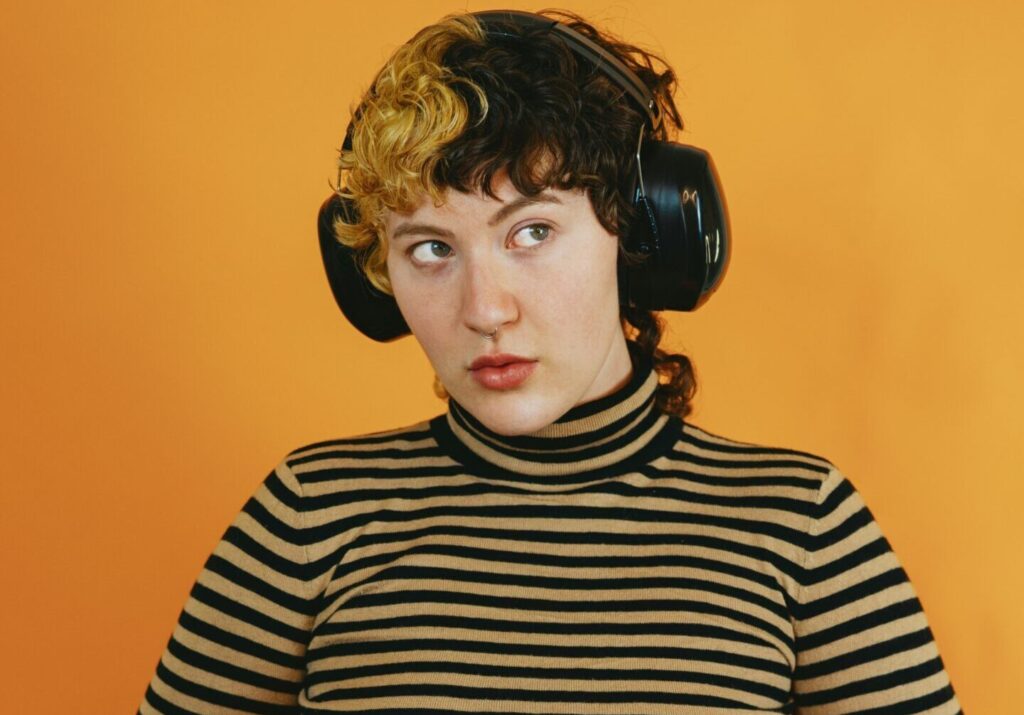
Kaja shares their thoughts after receiving a letter during Neurodivergence Celebration Week outlining the Welsh Government’s plan to re-direct funding away from the adult autism and ADHD services.
It is Neurodivergence Celebration Week, a worldwide initiative that challenges stereotypes and misconceptions about neurological differences. It is a week intended to celebrate and raise awareness of neurodivergence in all its different forms. So you can imagine my surprise when I opened my door today to find a letter from the Cardiff Integrated Autism Service explaining that their funding has been cut.
The letter said:
“Unfortunately, due to a recent decision by the Welsh Government to redirect funding from adult neurodivergent services (autism and ADHD) to children’s neurodivergent services, the Integrated Autism Services now has less capacity to offer diagnostic assessments. This means that the waiting time for a full assessment has increased. We are currently unable to determine when you will be offered an assessment. At present, the wait time is approximately 36 months from the date of initial referral. Without additional funding, this will continue to increase. There is no indication that we will be getting any additional funding at present.”
Last summer, at a particularly gruelling psychiatric appointment, it was suggested to me that I might want to seek an autism diagnosis. The psychiatrist said that getting a diagnosis would mean I could receive support and signposting from the Integrated Autism Services. He assured me that the wait time to get an autism diagnosis was significantly less than the ADHD waitlist (which I have already been on for years at this point) and urged me to go for it. He then discharged me from the secondary mental health team with the understanding that I would be able to receive swift support from the Autism team.
Innovative. Informed. Independent.
Your support can help us make Wales better.
You can imagine my surprise then when I found out that the wait times were not, in fact, very short, and instead were estimated to be over a year. Still, it was better than the ADHD wait times, so I persevered. Then I got this letter saying that the current wait time, due to funding cuts, is 36 months, and looks likely to continue increasing indefinitely. 36 months amounts to three years. Three years to wait for a diagnosis. Three years to wait for support. This comes almost exactly a year after the Welsh Government promised to spend ‘£13.7 million to transform services and cut ADHD and autism waiting times’. Where has that money gone? According to this letter from the Integrated Autism Service, it has been redirected from adult services to children’s services. I am not in any way suggesting that the children’s services do not need money – however I do think it is vital that adult services are not underfunded in the process.
Many women who have spent most their lives masking their neurodivergence end up burnt out in adulthood; suddenly unable to work or do chores or socialise or even leave the house.
I have a few key points I want to discuss here. Firstly, this change will disproportionally impact AFAB people (people assigned female at birth). AFAB people are a lot less likely to be diagnosed with autism as a child. In fact, studies suggest that 80% of autistic girls remaining undiagnosed by the age of 18. This is due to a variety of factors that have been discussed again and again by experts. But mostly, it boils down to the fact that our understanding of autism is very male-centric, and we have only recently started understanding how it presents differently in AFAB people. Women are also much more likely to spend their lives masking, as we are socially conditioned to do so. This, and other factors, mean that AFAB people are less likely to be diagnosed with autism (or ADHD) as a child.
There is a general misunderstanding among some medical practitioners that if an adult has survived this long without a diagnosis, why would they need one? Surely adults who have gone this long without one can wait a few more years? This, however, does not take into account factors like autistic burnout. Many women who have spent most their lives masking their neurodivergence end up burnt out in adulthood; suddenly unable to work or do chores or socialise or even leave the house. This can lead to depression, anxiety, stress, and even suicidal ideation. This is an example of why adults still urgently need access to a diagnosis and support despite having gone many years without.
Chapman argues that we are seeing a rising rate in autism and ADHD diagnoses because we live in an increasingly structurally ableist world that is actively hurting neurodivergent people.
There is also a rhetoric that has arisen in recent years that “too many” adults are seeking an autism or ADHD diagnosis – and that it is being over-diagnosed. There are many things I could say about this (such as explaining how many of us self-reflected during covid and realised we are neurodivergent, or that diagnosis rates have risen as we have more understanding of female neurodivergence in a growing population). However I want to draw your attention to an argument that Robert Chapman has made in his book Empire of Normality. Chapman argues that we are seeing a rising rate in autism and ADHD diagnoses because we live in an increasingly structurally ableist world that is actively hurting neurodivergent people.
Since the industrial revolution, and especially in the twentieth century, our world has shifted into a largely capitalist society which is a sensory nightmare. Phones, lightbulbs, cars, speakers, shops, city living – all these things create light and noise pollution that are overwhelming to the senses. Add to that an increasingly demanding work pattern with less work/life balance, and an introduction to services that rely on social work (such as retail), and you get an increasingly exhausted and overstimulated population. What this means is that neurodivergent people who may have flown under the radar in quieter times are now less able to cope with the demands and sensory overstimulation of our modern society. Hence why more people are getting diagnosed. Despite what some government officials believe, it is not because of some TikTok trend. Our society is actively disabling us.
Some do not seem to understand how much a diagnosis means to an adult. They might understand seeking a diagnosis as a child – it means you can get accommodations at school, maybe more time in exams, etc. However they do not see the advantages of adult diagnosis. There are many reasons an adult may want to be diagnosed. Part of it is seeking a community and a greater understanding of ourselves and how we move in the world around us. Another part is because – similarly to how it benefits children – getting a diagnosis means we can legally ask for accommodations in the workplace. But another reason is to access services like the Integrated Autism Service who can offer support and help patients to navigate an ableist world as a neurodivergent person.
Robust debate and agenda-setting research.
Support Wales’ leading independent think tank.
As you can see, there are many reasons why adults in our modern day and age would seek an autism or ADHD diagnosis. There are a variety of factors that mean many have been overlooked as a child, and could benefit from the support that comes with an adult diagnosis. So I ask the Welsh Government to please re-consider re-directing funding from the adult services to the children services. I truly believe that both deserve the funding they have been promised before. However I do not think children’s services should be prioritised above adult services, for the reasons stated above. And if this Welsh Government does not act to improve these services, perhaps the new Welsh Government will after the May elections. We will just have to wait and see.
All articles published on the welsh agenda are subject to IWA’s disclaimer. If you want to support our work tackling Wales’ key challenges, consider becoming a member.